

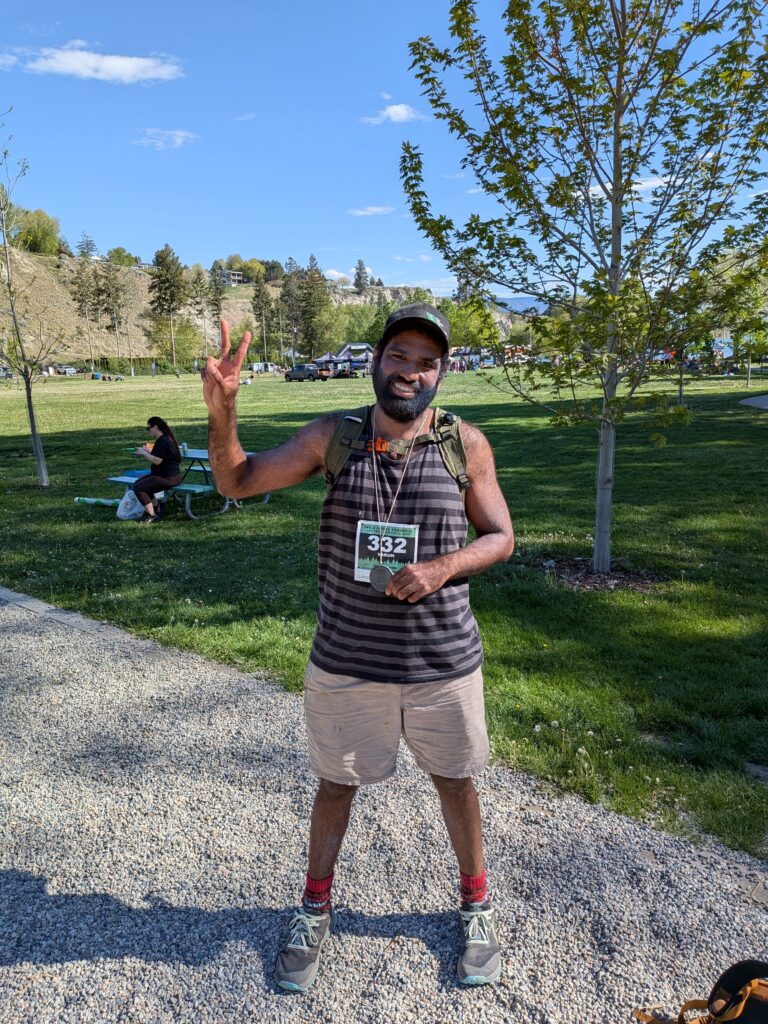
I recently finished my first ultra marathon – Wildhorse Traverse, spanning a beautiful 50 kms between Kelowna, BC and Naramata, BC. It was a very rewarding experience for me and taught me a lot so I wanted to give an account of how the race was like, my experience running it and how I ended up even thinking about running the race.
My Journey into Running
The reason why I got into running was simply because I was unfit and wanted to get better. Right around 2022, just after we were getting out of Covid and the lockdowns, I realised I had gotten really out of shape. I had gained a lot of weight and I was unfit aerobically from a lack of exercise and had a really bad vaping addiction. So I ended up taking up jogging and hikes – on sidewalks and in parks to get fitter and lead a better life. I remember I would simply be breathless after running for a couple of minutes. So it was alternating between walking and running. I kept at it for months and years. Very early on realised that my body wasn’t genetically gifted for any kind of physical activity and running in particular. So I ended up getting a lot of injuries, but I stuck with it.
Around 2024, I had a really bad knee injury because of a bad landing when walking. In reality it was because of a meniscus issue I had from very long time back, but some knee issues never go away and can reoccur in other ways when you do things like land badly. I intuitively understood that I landed badly because of my high drop, high stack Solomon trail running shoes and I would not have landed wrong if I was barefeet. I somehow stumbled upon this book called Born to Run and felt like I could really connect with it.
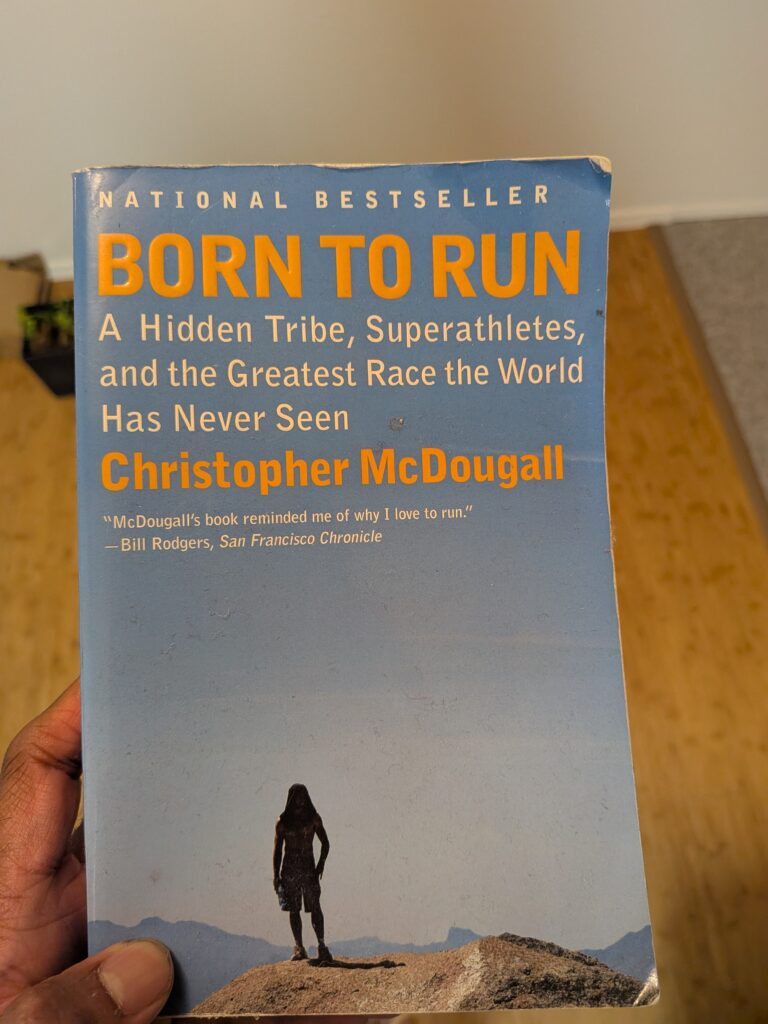
Born to Run talks about the dangers of modern running shoes and how barefeet shoes are better for us. It also talks about long distance trail running and how it can be a rewarding experience. It put me on a journey where I slowly switched my footwear to low stack height, 0mm drop shoes – Altra Lone Peak and Merell Vapor Glove. I ended up running the Kelowna Half Marathon once I was somewhat recovered from the injury. The book also kindled a passion in me to some day run a longer ultra trail marathon.
Deciding to run a 50k and my training
I had to give up training after that because I had a hair transplant and needed to recover from it. I also ended up getting into an unfortunate bike accident. By the time I was recovered, I ended up visiting Peru and hiking the incredible Salkantay mountains. You can read about my Peru trip here. It was a very meaningful experience for me because I finished the around 70 km hike even though I had sprained my ankle early into the hike. Ironically it was because I had worn high stack shoes on that hike because I thought it would be a good way to avoid my feet getting wet on the trails.
After getting back to Canada, I decided I wanted to try to run an ultra marathon, because this was something I really wanted to do ever since I read Born to Run and the challenging experience that I had on my Peru trip made me feel I was ready for it mentally. I signed up to run Wildhorse Traverse, but ended up reinjuring my ankle again. I remember I had little more than 4 months to go, when I approached Rob Sullivan of Movemed physiotherapy, who helped me get through injuries and coached me. I feel I would not have been able to run the race without his help.
| Week | Weekly Volume | Longest Run ×1/week | Frequency | Speed Work ×1/week |
|---|---|---|---|---|
| Week 1Jan 30 | 140 min | 45 min — Easy | 5× | 15 min total 1 min hard / 2 min easy |
| Week 2Feb 6 | 160 min | 60 min — Easy | 5× | 20 min total 1 min hard / 2 min easy |
| Week 3Feb 13 | 170 min | 70 min — Easy | 5× | 25 min total 1 min hard / 2 min easy |
| Week 4Feb 20 | 190 min | 80 min — Easy | 5× | 30 min total 1 min hard / 2 min easy |
| Week 5Feb 27 | 110 min | 40 min — Easy | 5× | 15 min 1 min hard / 2 min easy |
| Week 6Mar 6 | 200 min | 2× 60 min — Easy↑ 200m elevation/run | 5× | 20 min 1 min hard / 2 min easy |
| Week 7Mar 13 | 220 min | 2× 60 min — Easy↑ 200m elevation/run | 5× | 20 min 1 min hard / 2 min easy |
| Week 8Mar 20 | 240 min | 2× 70 min — Easy↑ 200m elevation/run | 5× | 20 min 1 min hard / 2 min easy |
| Week 9Mar 25 | 270 min | 80 min Easy + 1 Medium↑ 300m elevation/run | 5× | 20 min 1 min hard / 2 min easy |
| Week 10Apr 1 | 220 min | 2× 50 min — Easy↑ 200m elevation/run | 5× | 15 min 1 min hard / 2 min easy |
| Week 11Apr 6 | 220 min | 2× 50–60 min↑ 200m elevation | 5× | N/A |
| Week 12Apr 13 | 250 min | 2× 70–80 min↑ 300m elevation | 5× | 10 min 1 min hard / 2 min easy |
| Week 13Apr 20 | 280 min | 2× 120 min — back-to-back Apr 22/23↑ 500m elevation |
4× | N/A |
| Week 14Apr 27Race week | 150 min | 70 min trail (before Apr 30) Eat on this run · ≤200m elevation |
3× | N/A |
My training plan
Even though Rob did a great job of managing training volume, I kept getting injured – over and over again. But it is something that is normal for me. I don’t think it had much to do with how much I trained. I did everything from my knee, to my ankle to even causing an issue with a hematoma that I had from earlier bike accident. Training was mostly about making sure I do the least damage to myself while making progress on my fitness. Run mileage was measured in minutes because I didn’t like the distraction of measuring kms, my pace or the heart rate. I did most of my training in Altra Lone Peaks, low stack height zero drop shoes. I peaked at around 280 minutes and did a 2 hour run on back to back days a week out to test my mileage.
Running the Wildhorse Traverse
Within no time it was 1 May and I had a night of sleep before I had to run the marathon. I did my bib pickup in the evening. I could barely sleep the night before the race out of excitement, but also because I had really a bad episode of tinnitus leading upto the race. My carb load also did not go well. I got lazy and I wasn’t used to eating that many carbohydrates. Regardless, come race day I took the Uber and found myself on the start line, wondering what I had gotten myself into.
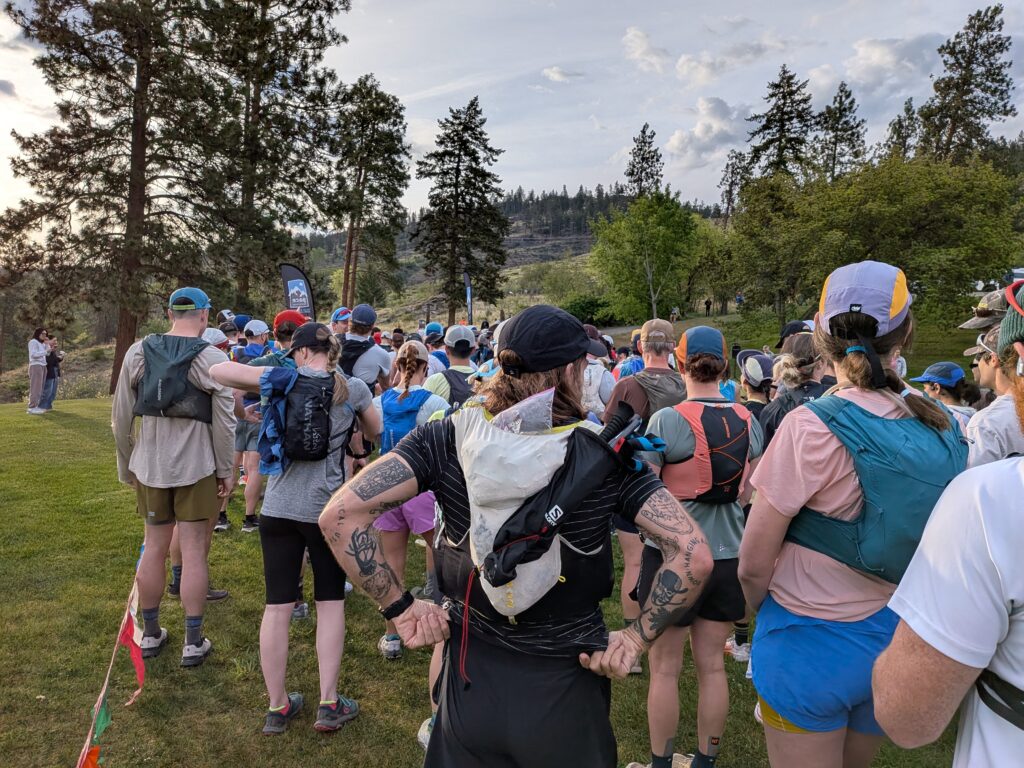
Wildhorse Traverse spans a total of 48.7km and 1900m of ascend and descend. The race was divided into 4 sections, separated out by 3 aid stations. Section 1 was the longest out of the lot. 21.5kms that you had 3.5 hours to finish and I felt it wasn’t that difficult. The trail was single track and there was a lot of traffic on the trail so you can get stuck in traffic if you did not make a dash for it at the beginning. I did feel pain in my left foot at around 9 km mark and it stayed until I finished this section, but it was not too bad and I pushed on. I finished the section 1 with 15 minutes of cut off left to spare. I quickly drank some water at the aid station and proceeded onwards, determined to make up time because I felt I was stronger on the hills.
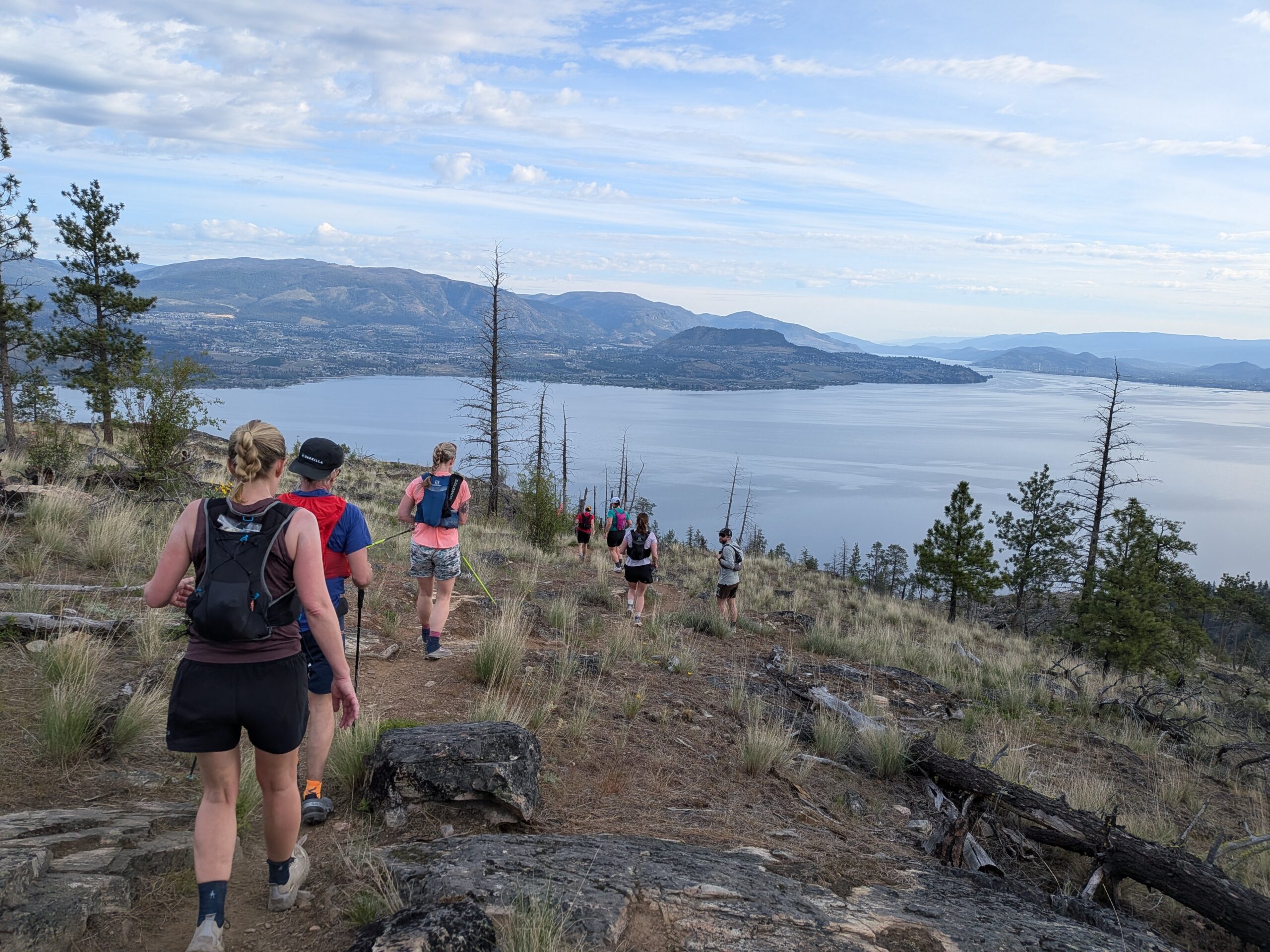
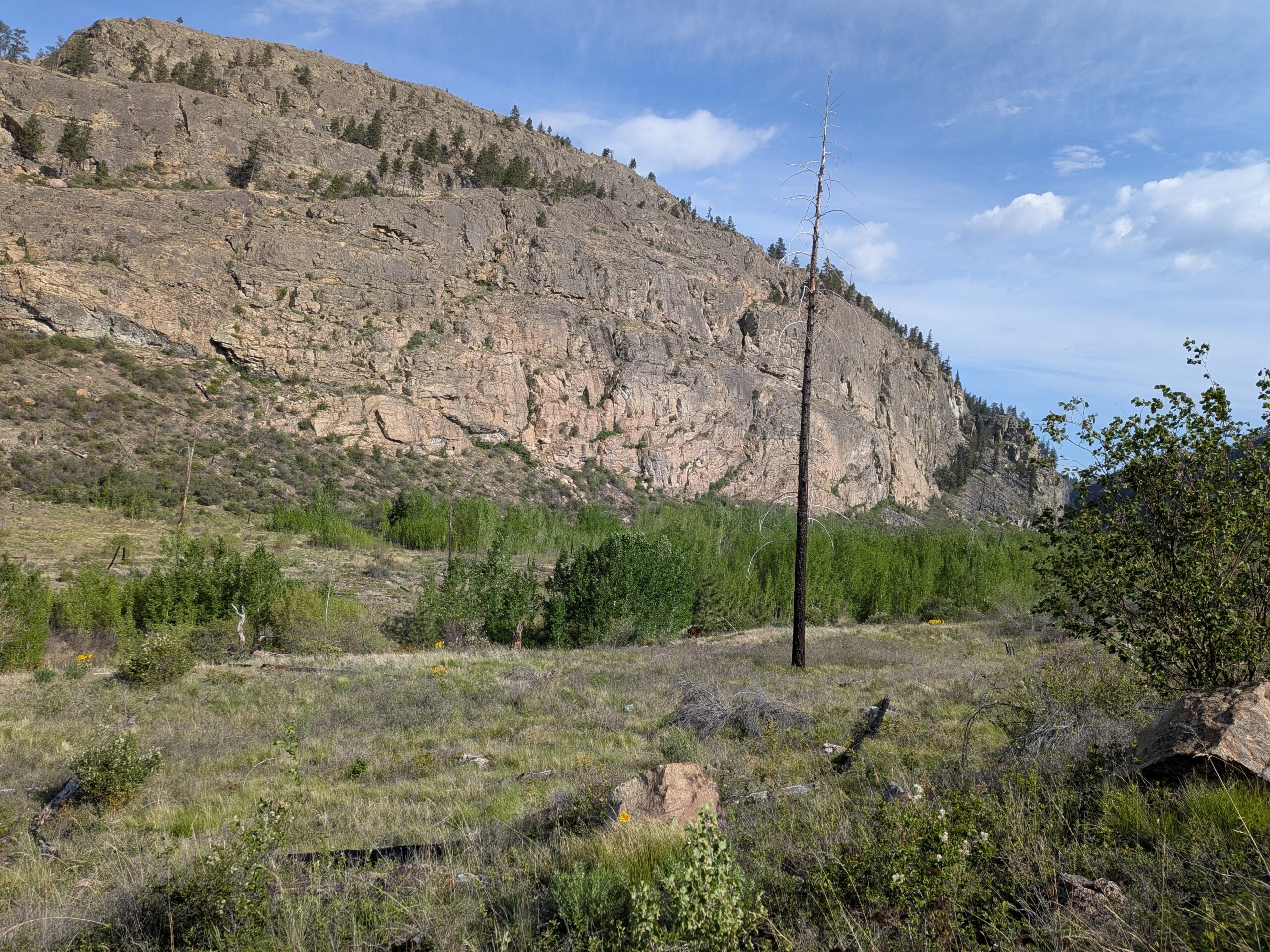
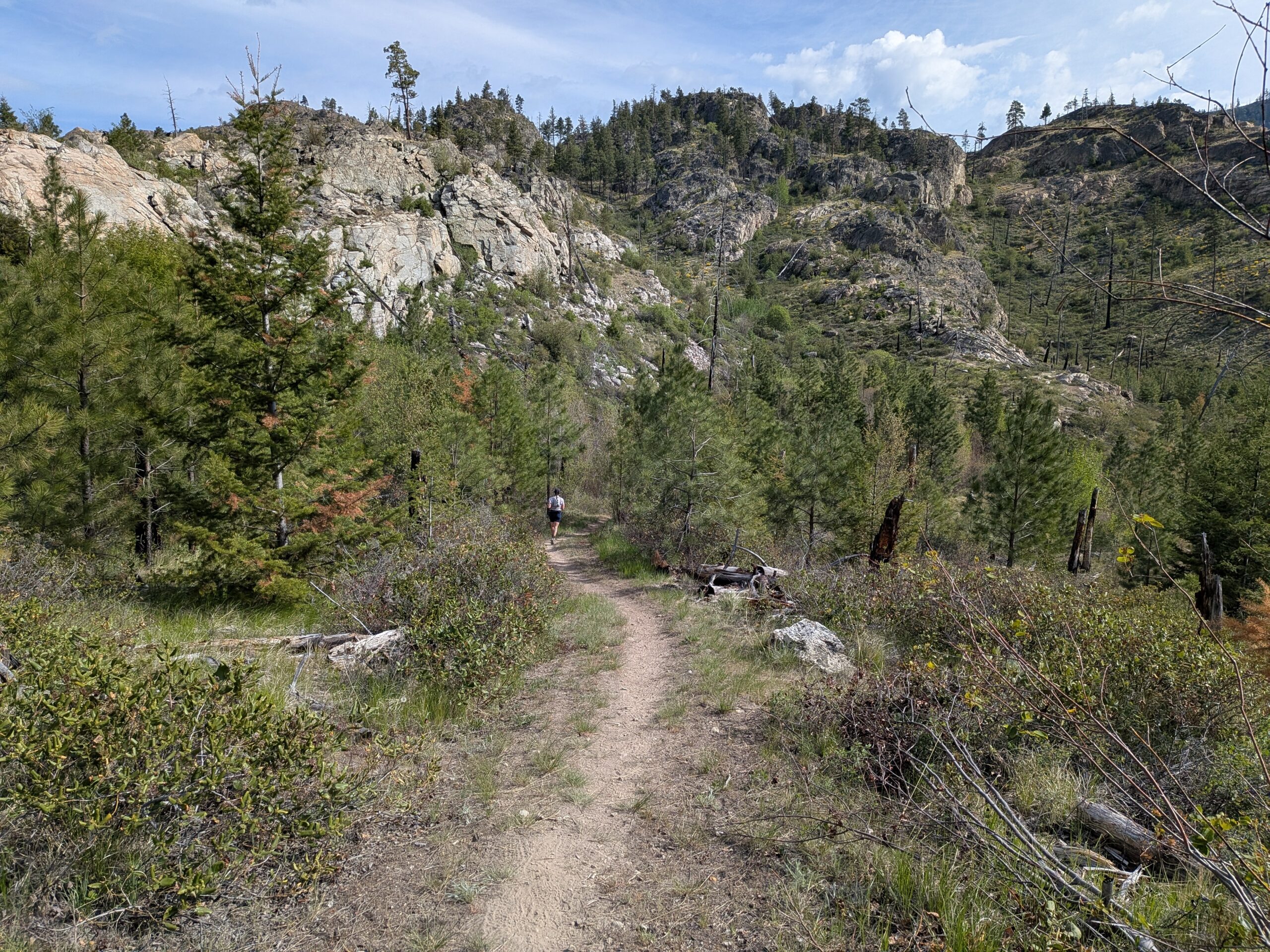
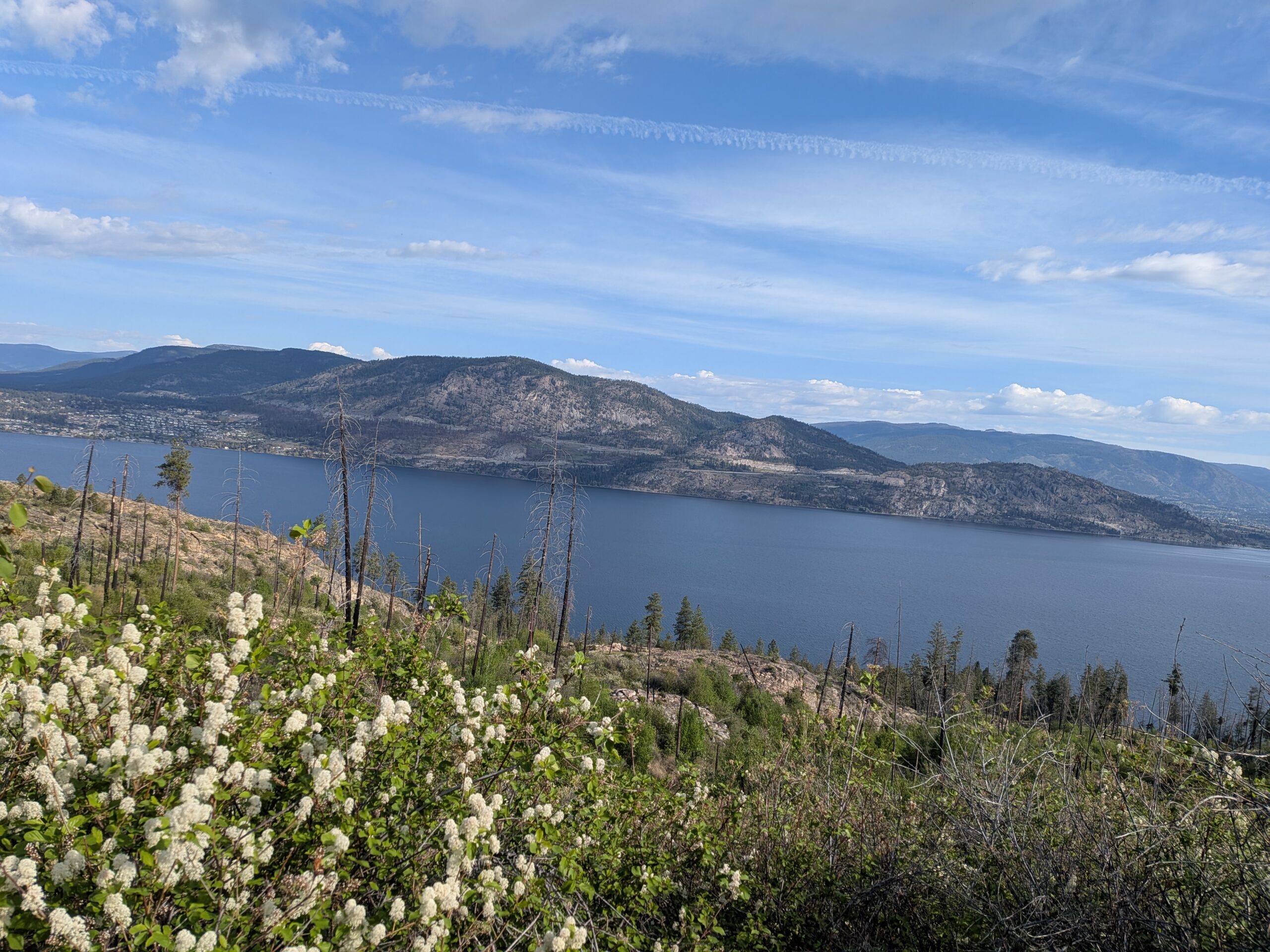
Section 2 was the difficult one – with nearly 1100m of elevation gain, largest chunk of the race. I made very good progress early on and I managed to pass a lot of people on the incline, however the weather changed very quickly and I quickly realised I was running out of water and was very dehydrated. It was a hot day, with temperatures hitting 30C and very low, arid desert like humidity.
At 30km mark it felt like I hit a brick wall due to completely depleted glycogen levels, pushing too hard on the hills and completely running out of water. I kept pushing and after trying my luck on free flowing streams and some help from a friend I made along the way who helped me with water, I somehow ended up finishing this section. Thank you to the kind soul from Abootsford, BC – without your help I would not have been able to finish this race. I somehow made it to aid station 2, limping and in lot of pain, but in one piece. This put me at 35 km mark with 15 more to go. It took me around 3 hours to finish this section.
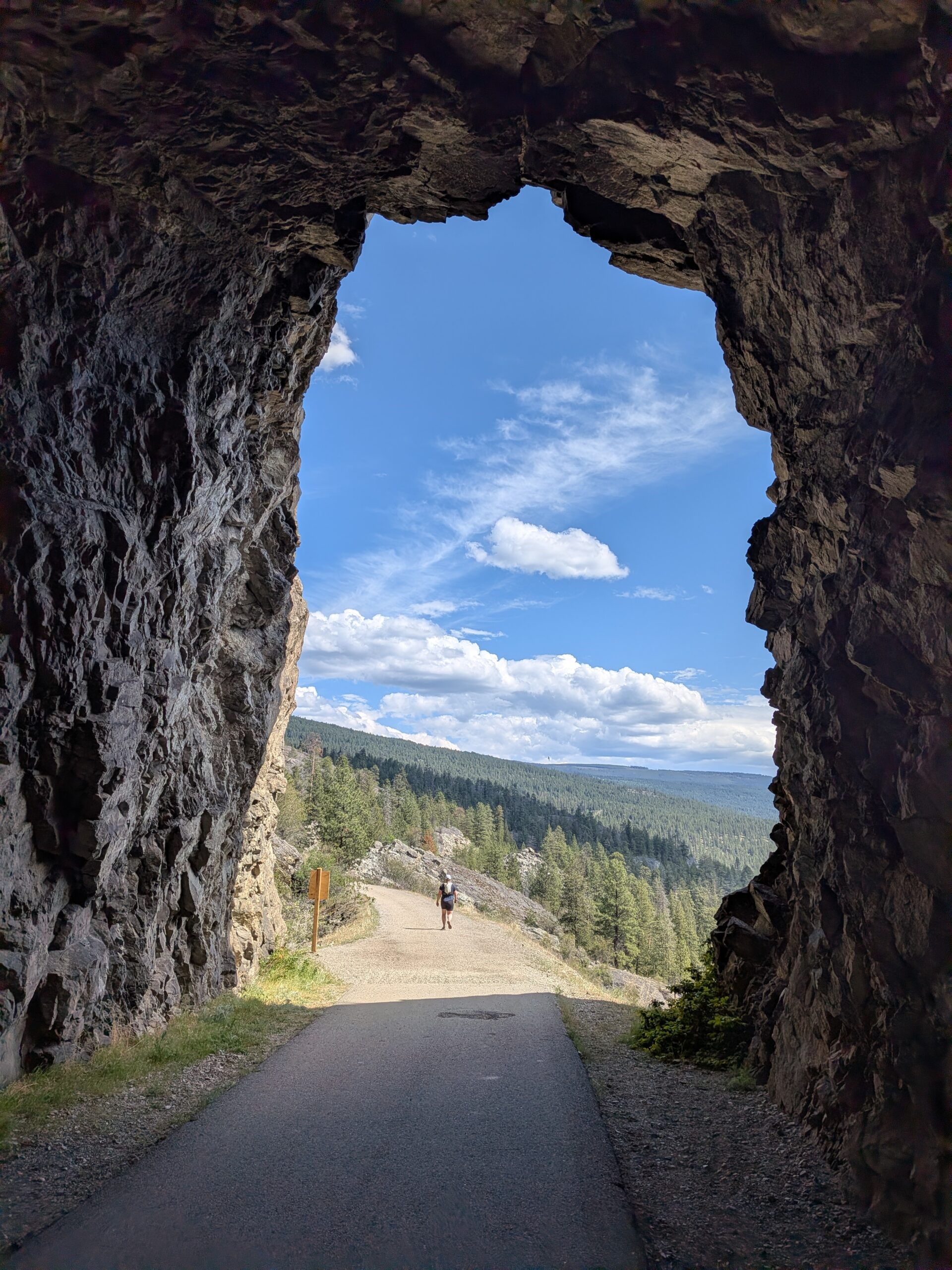
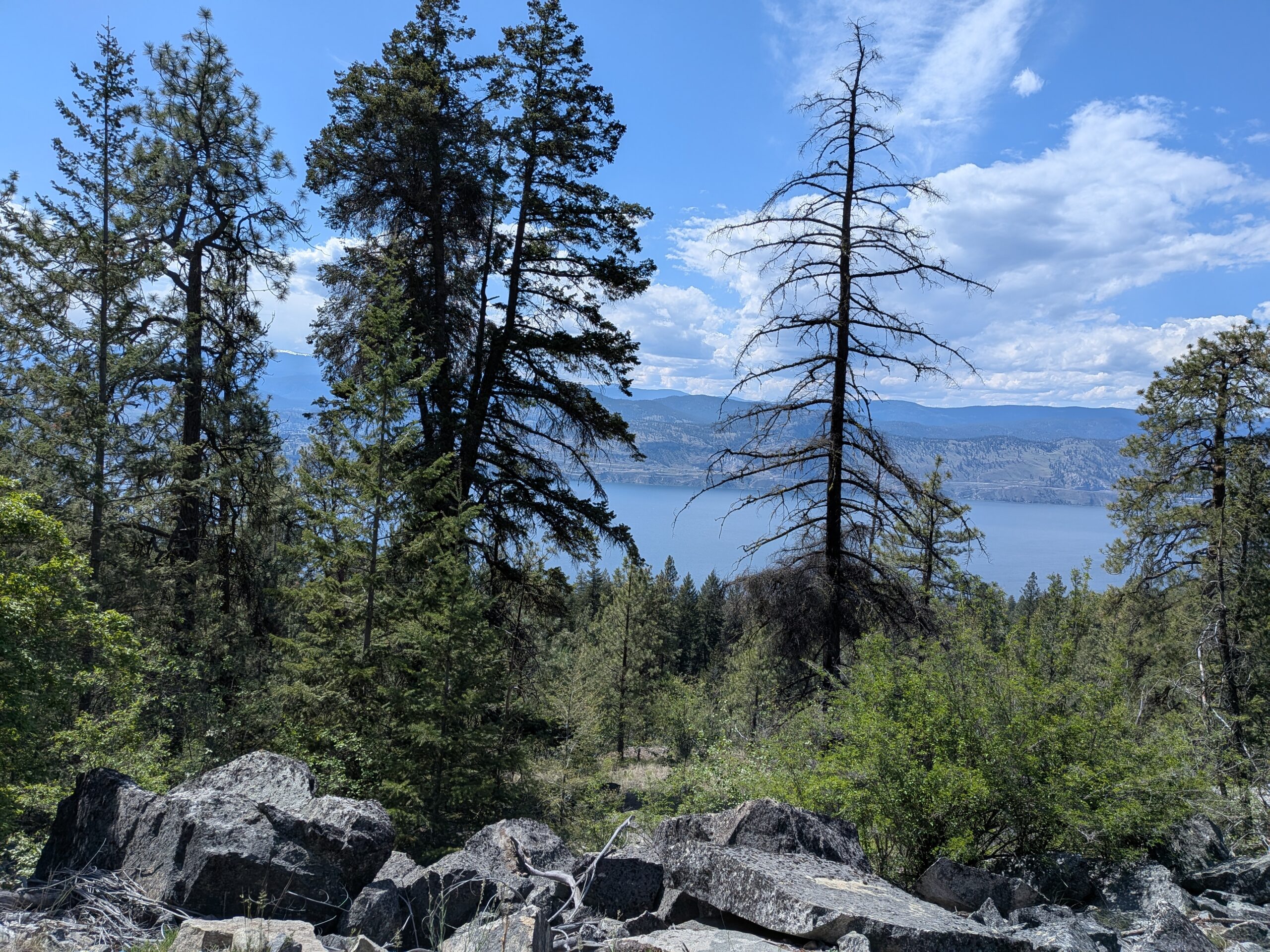
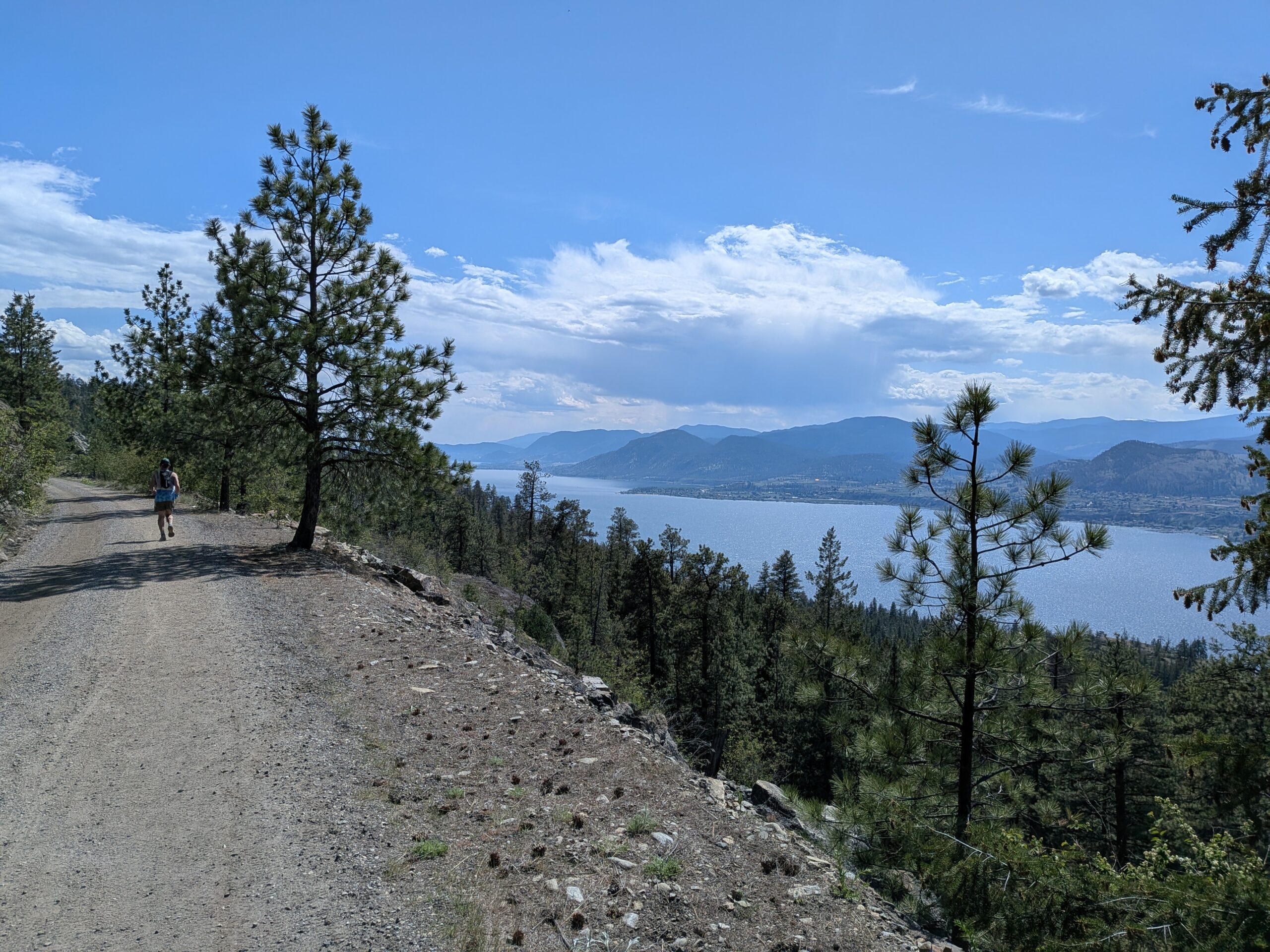
After changing socks, refilling water and drinking and eating a lot, I decided to go on. Quitting was simply not an option. The remaining sections – Section 3 and Section 4 were all downhill or flat, with the latter being very technical. It was right after Section 3 that my problematic ankle decided to completely give out and at 40 km mark I felt that my right ankle ligaments had completely given out. I slowly jogged and walked through the pain and somehow managed to finish the last 10 kms. It took me a while though, with little more than couple of hours to finish both the sections. However, with only thinking about the next step, I managed to finish the course at little more than 9 hours.
After getting back home, I realised how bad the pain in my ankle actually was. It took me a solid couple of days to have a decent shot at walking to the kitchen to prepare food within my home. However I am totally fine now and actually ran another longer run of 27kms recently.
Finding meaning in Ultra Running
I happened to have a chance encounter with an older gentleman from Bella Coola while running the trail and we happened to talk about how running longer distances is a very spiritual experience. He told me how for him it’s very meditative and puts him in a trance like state where all he thinks about is his next step. I also felt the same.
Without a question, this race was one of the hardest things I had done in my life. Through this very difficult journey, I realised that running helps you transcend the mind body complex, because at various points in the race my body decided to quit. My mind wanted to give me every reason to quit, but I managed to find a way to transcend all of that. I realised that pain is just another emotion that your body feels through your body, but you are capable of overcoming it. I also realised how it’s important to focus on next step because there is no point in focusing on anything that preceded it or how difficult the race is going to be in future. Life is a lot like this race and you will have roadblocks of every kind, but your job is to make a path through all of that.
Stability is not the absence of storms, but peace even amidst a chaotic hurricane.
– Bhagvad Gita 2.15
On this journey I also realised that running is also a lot about being connected. Being connected does not mean running with a smart watch, headphones in with high stack shoes and posting your run on Strava. It’s the opposite of that. I have to measure time for injury prevention, but other than that for me it’s about being in tune with yourself and with nature. It’s about feeling every step, hearing everything in your surroundings and not thinking about anything else other than enjoying the run while you are running. I also enjoy doing the shorter runs early morning barefeet on grass, usually with just my shorts on. It’s a very rewarding and connecting experience.
What I would do different
I felt there were a lot of opportunity for improvements. Other than the obvious, which is train more and get fitter, I feel these things would really help you if you decide to run a ultra marathon and Wildhorse Traverse in particular.
- Make sure to carb load and get enough hydration before the race
- Pacing is key. Do not go fast on the hills. Go slow for the first 2 sections so that you have enough in the tank for later
- Make sure you know the weather forecast and always have enough water so you aren’t dehydrated
- If you are wearing low stack shoes , make sure to run some miles on barefeet shoes so that you get used to your feet getting pounded over a long distance
If you want to run an ultra marathon, don’t even think about it. Sign up and just do it. It is easily one of the toughest and most rewarding things I have done and I highly recommend going through the experience to transform yourself.